Plant-based eating can absolutely meet protein needs. It just requires more deliberate planning than an omnivorous diet, particularly around leucine and total volume.
How much you actually need
General health needs sit around 0.8–1.0 g per kilogram of body weight. Active adults and anyone over 65 do better at 1.2–1.6 g/kg. Plant proteins digest slightly less efficiently, so aim toward the upper end of your range.
Strongest plant sources
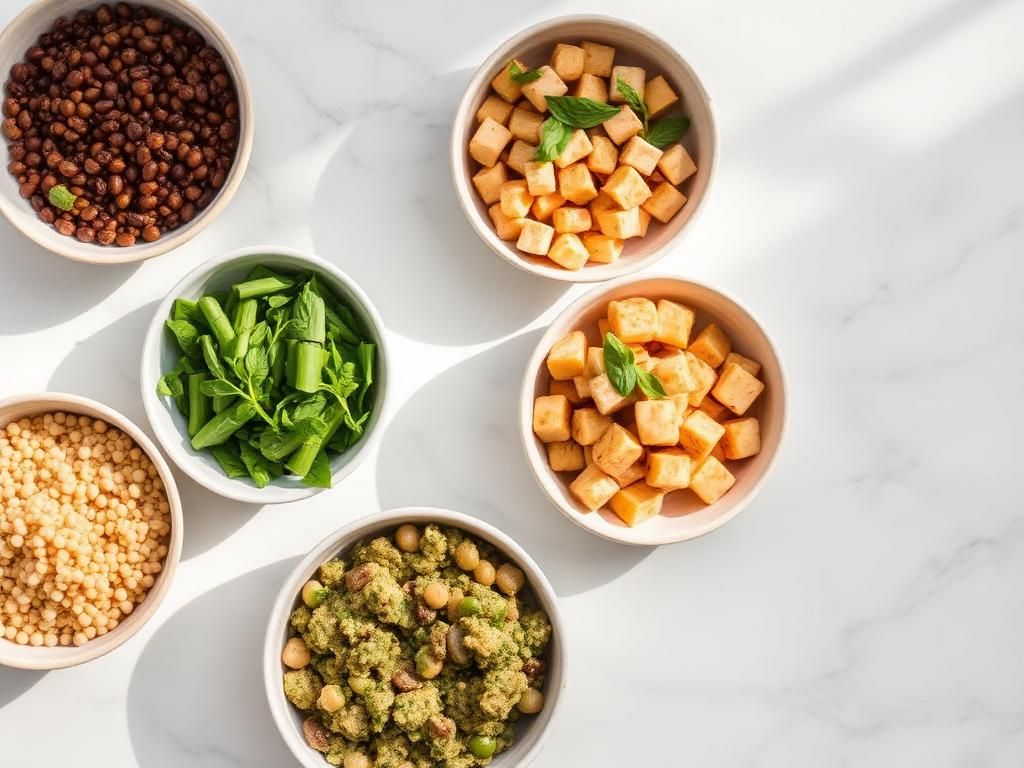
These deliver the most protein per realistic serving.
- Tempeh — about 19 g per 100 g, and fermented for easier digestion.
- Firm tofu — roughly 17 g per 100 g.
- Lentils — around 9 g per cooked cup, plus significant fibre.
- Seitan — approximately 25 g per 100 g, though unsuitable for coeliacs.
- Edamame, chickpeas, quinoa, and hemp seeds as reliable supporting players.
The completeness question
You do not need to combine proteins within a single meal. Eating a variety of legumes, grains, nuts and seeds across the day covers all essential amino acids comfortably.
Lysine is the amino acid most likely to run short — legumes are the fix, so include them daily.
Don't forget B12
Vitamin B12 is the one nutrient that genuinely requires supplementation or reliably fortified foods on a fully plant-based diet. This is non-negotiable.
Originally published on Falcon CMS.