Polycystic ovary syndrome affects roughly one in ten women of reproductive age, and nutrition is one of the most powerful levers available for managing it.
Insulin resistance is the common thread
Most people with PCOS have some degree of insulin resistance. When cells respond poorly to insulin, the pancreas releases more of it, and elevated insulin stimulates ovarian androgen production — driving irregular cycles, acne and unwanted hair growth.
Improving insulin sensitivity through diet often improves the whole symptom cluster rather than a single complaint.
What to prioritise
An anti-inflammatory, lower-glycaemic pattern works best for most clients.
- Protein at every meal — eggs, fish, poultry, tofu, legumes.
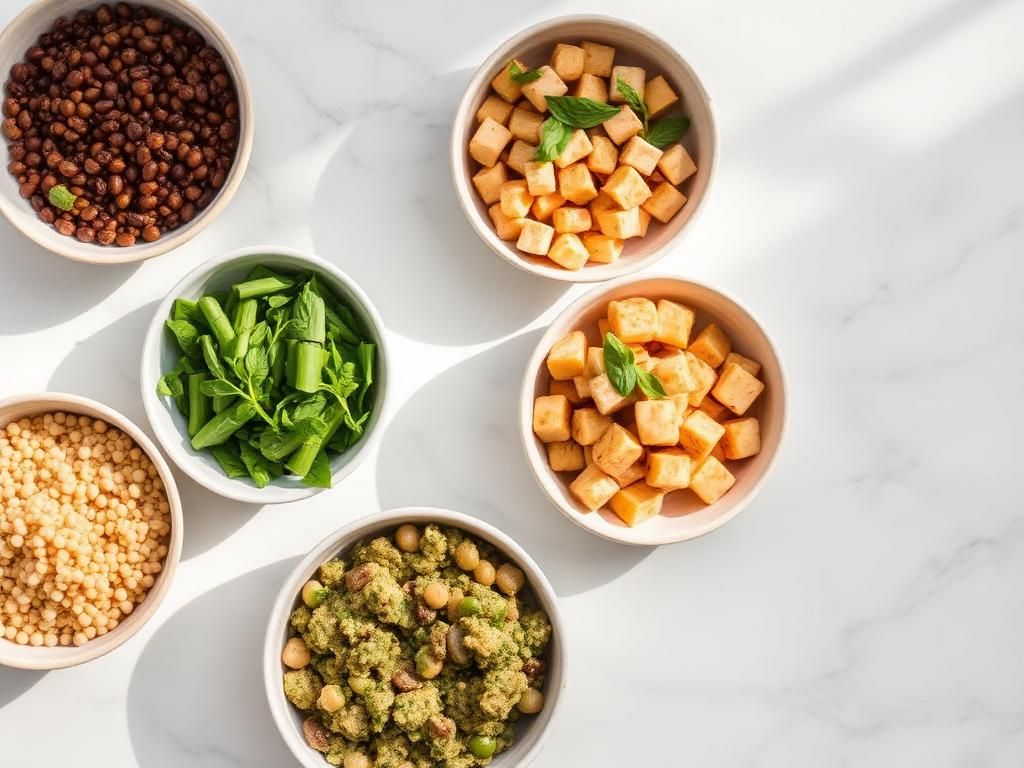
- Low-glycaemic carbohydrates: oats, quinoa, barley, sweet potato, legumes.
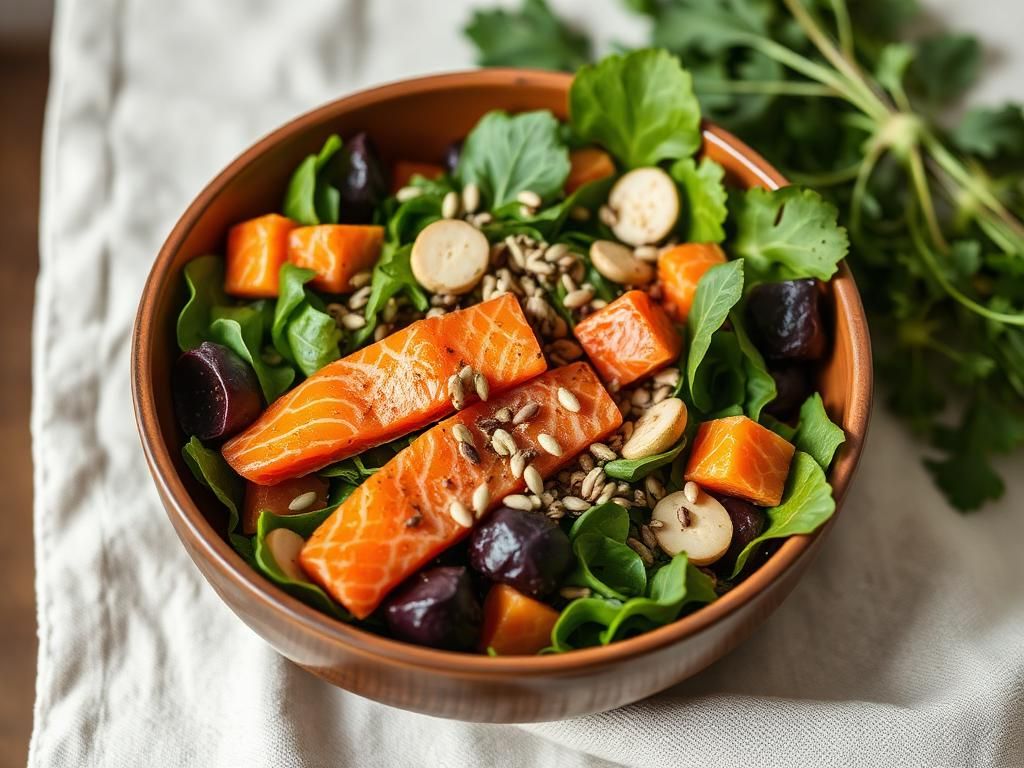
- Omega-3 rich foods twice weekly, such as salmon, sardines or walnuts.
- Plenty of non-starchy vegetables for fibre and polyphenols.
- Cinnamon, turmeric and green tea as small daily anti-inflammatory additions.
What to moderate
Sugary drinks, refined pastries and highly processed snacks cause the sharpest insulin spikes. You don't need to eliminate them permanently — reduce frequency and always pair them with protein or fat.
Movement and sleep
Resistance training twice a week improves glucose uptake independently of weight change, and seven to nine hours of sleep meaningfully improves insulin sensitivity. Nutrition works best alongside both.
Originally published on Falcon CMS.